 Fra Noi Embrace Your Inner Italian


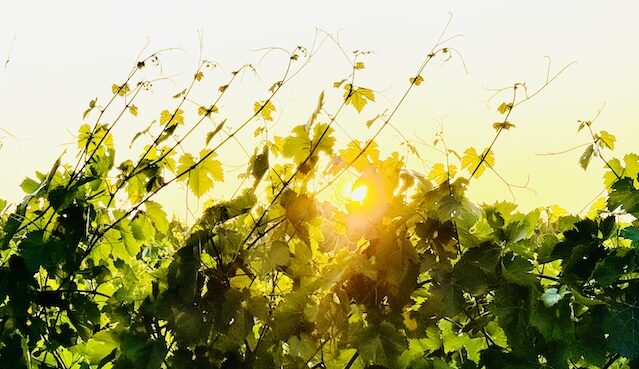
A new project in the beating heart of Apulia promises to connect the world with the deepest soul of the Italian South.
There is an Italy that does not reveal itself at first glance — a land of infinite horizons and immense skies that challenge the frantic pace of the modern world. This is Capitanata, the beating heart of northern Apulia, where the Tavoliere plain stretches out like a golden sea, interrupted only by the silvery green of olive trees and the orderly rows of vineyards. Here, amid the dust of history and the scent of must, a new way of traveling is being born. It is called Calici in Bici (“Wine Glasses on Bikes”), a project that is not merely a cycling itinerary but an act of reconnection with the deepest soul of the Italian South.
The Royal Sheep Tracks
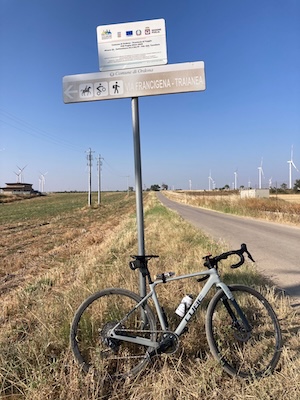 To understand the magic of this route, one must look down at the ground. Under the bicycle wheels will flow more than just asphalt or dirt; it is the millennial memory of the “transhumance,” along which livestock seasonally moved en masse. The Regi Tratturi (“Royal Sheep Tracks”) were the green highways of antiquity: enormous grassy pathways, exactly 111 meters wide (corresponding to 60 Neapolitan paces), that allowed millions of sheep to descend from the cool pastures of Abruzzo to the plains of Apulia during the winter.
This monumental system, officially codified in 1447 by Alfonso I of Aragon, shaped the economy, architecture and even the character of the local people for centuries. Along these routes rose the poste, stopping places for trade, and taverne, where shepherds exchanged cheese, wool and stories. Today, thanks to the recognition in 2019 of the transhumance as a UNESCO Intangible Cultural Heritage, these paths are coming back to life. The Calici in Bici project joins this awakening, proposing to replace the sheep’s hoof with the rhythmic turn of the pedal, transforming a pastoral legacy into a world-class tourist experience.
The Five Royal Sites

The journey will come alive as it crosses the district of the Cinque Reali Siti (“Five Royal Sites”): Orta Nova, Carapelle, Stornara, Stornarella and Ordona. These villages are not mere stops but living testimonies to the ambitious agrarian colonization project commissioned by the Bourbons in the 18th century. Ferdinand IV of Bourbon dreamed of transforming these lands into a productive garden, and the signs of that dream are still visible in the geometry of the squares and the structures of the ancient masserie (“fortified farmhouses”).
In Orta Nova, the memory of the Passo d’Orta evokes a past filled with rivers of flocks and merchants. Today, the project envisions redeveloping these historic structures into “bike hotels” and charming inns, where cycling tourists can find refuge, repair their bikes and, above all, immerse themselves in the atmosphere of yesteryear. Cycling through these municipalities means traversing open-air museums, such as Stornara, now famous for vibrant murals that decorate house walls, creating a fascinating contrast between contemporary urban art and the historical rigidity of Bourbon architecture.
Archaeology and mystery
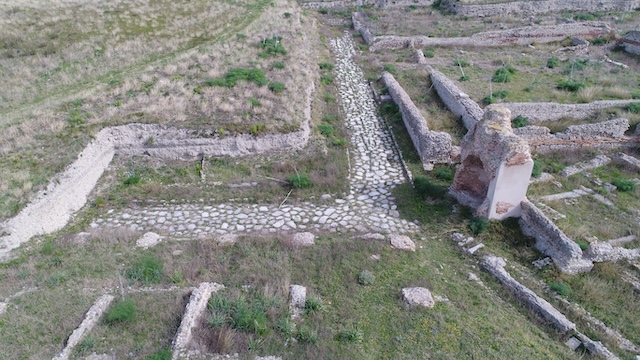
Capitanata guards much older secrets. Not far from Ordona lies Herdonia, the “Pompeii of Apulia.” This archaeological site of inestimable value — where a Roman city strategically positioned on the Via Traiana once flourished — offers the traveler a moment of pure contemplation. Seeing Roman columns and the remains of a forum emerge from the stalks of wheat is a breathtaking experience. Calici in Bici focuses precisely on this union: the rewarding effort of physical activity meeting the wonder of cultural discovery. It is no coincidence that the itinerary frequently overlaps with the Via Francigena of the South, the pilgrims’ path used to descend toward the ports of embarkation for the Holy Land.
Soul in a glass
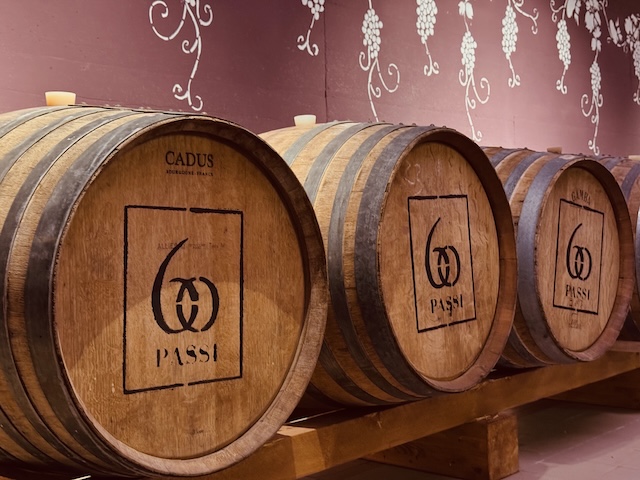
No trip to these lands is complete without paying homage to the undisputed sovereign of local tables: Nero di Troia. Brought to Apulia by the Homeric hero Diomedes according to legend, this indigenous grape variety is the symbol of this territory’s resilience. It produces a wine of deep ruby color, with elegant tannins and notes of blackberry and licorice that transmute the heat of the Tavoliere sun.
Calici in Bici will elevate tasting to a central moment of the experience. The wineries are not just points of sale, but experiential stages where the producer tells the story of the land. Imagine arriving at a transformed farmhouse at sunset, after 40 kilometers of cycling in the wind, and being greeted by a glass of Nero di Troia accompanied by really Apulian bread, Daunia extra virgin olive oil and Podolico caciocavallo cheese. In this moment, tourism becomes pure emotion.
Pioneers welcome
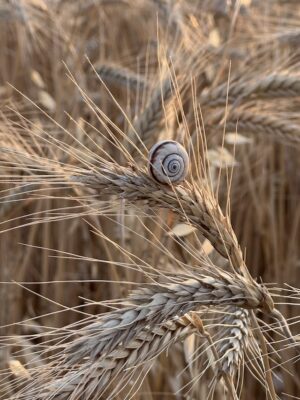
The proposed route is a masterfully designed loop of approximately 120 kilometers, ideal for five to six days of “slow travel.” Departure from Foggia, with its majestic Palazzo della Dogana (once the administrative seat of the entire pastoral world), marks the symbolic beginning. It continues toward the Sanctuary of the Incoronata, immersed in a rare and precious forest that offers an oasis of coolness.
Every stage is designed to minimize environmental impact and maximize social impact. The use of digital roadbooks and GPS tracks allows even the less experienced to navigate with ease, while integration with the “train+bike” railway system makes the itinerary accessible and modern. The gentle slopes of the Tavoliere make the trip pleasant for everyone, allowing them to enjoy views that, on clear days, range from the peaks of Gargano to the mountains of the Daunian Apennines.
Building a dream
Calici in Bici is not just a dream on paper; it is a political and economic vision for the future of Capitanata. In an era where mass tourism is saturating cities of art, the rediscovery of inland areas and thematic routes represents the true frontier. Valorizing the sheep tracks means protecting biodiversity, fighting the abandonment of the countryside, and offering local youth business opportunities linked to their own land.
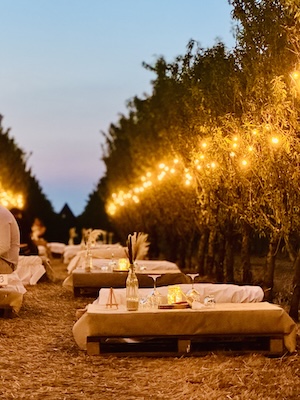
The project invites institutions and private individuals to collaborate in creating a “sheep track network,” an intangible infrastructure that can compete with great trails like Santiago or the Via Claudia Augusta. The challenge is ambitious: to transform the province of Foggia from a place of passage to a destination of excellence for green and quality tourism.
The rhythm of the wind
Cycling in the Tavoliere means accepting a challenge with the wind, which never stops blowing here. But it is precisely that wind that cleans the air, carries the scent of the nearby sea, and whispers the stories of those who, on these same roads, walked for centuries seeking a better life. Calici in Bici teaches us that we do not need to go far to find adventure; sometimes, all it takes is to get in the saddle, uncork a bottle of good wine, and let ourselves be guided by the slow rhythm of history.
In Capitanata, the future tastes of an ancient vine and the freedom of a road that never ends.
My heartfelt thanks to Professor Enzo Melpignano, cycling tour guide of the Trattour Association of Cerignola, and Professor Giulio Paolo Agnusdei of UniPegaso University for their invaluable assistance with this project.
The above article appears in the June 2026 issue of the print version of Fra Noi. Our gorgeous, monthly magazine contains a veritable feast of news and views, profiles and features, entertainment and culture.
To view a sample copy, click here.
To subscribe, click here.