 Fra Noi Embrace Your Inner Italian


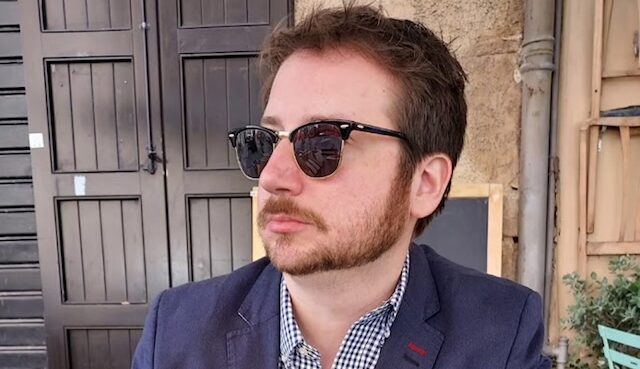
Salvatore Pane’s “The Neorealist in Winter” follows two well-crafted novels: “Last Call in the City of Bridges” (2012) and “The Theory of Almost Everything” (2018). Eleven stories done in a variety of voices and formal styles feature characters who are stumbling their way through American and Italian cultures, searching for ways to use what little is left of Italian-American identity to give their lives meaning in a confusing 21st century.
This collection represents the best of what young writers who still claim their Italian ancestry have to offer. Throughout the stories, we meet characters raised on video games and fast food instead of home-cooked meals, who have consumed the confusing mishmash of media-made role models of gangsters and cartoonish working-class characters.
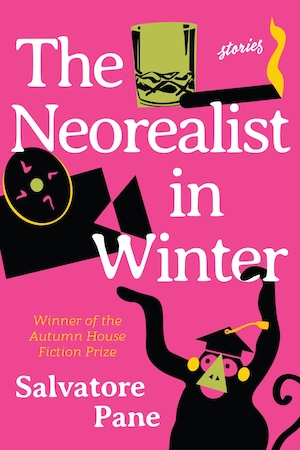 The title story features Jackie, a young filmmaker whose college success connects him to film icon John Cassavetes and draws him from New York to Hollywood. When Marciano, a famous Italian director, takes a liking to him and wants to direct his future path, Jackie and his producer go to Rome’s Cinecittà to meet in the director’s villa. There, Jackie realizes success depends on his ability to cut off ties with his past, including his embarrassing brother and his supportive parents.
“Her Final Nights” and “Take It Out of Me” are futuristic spinoffs of what you’ll find plenty of in “The Theory of Almost Everything.” In his version of the future, earthlings know when the world will end, compelling them to adjust their lives accordingly. They’ll also have the ability to surgically replace “working-class memories” with “middle-class memories,” enabling patients to get over traumas caused by their upbringings.
“The Complete Oral History of Monkey High School” is a series of first-person accounts in the form of blogs. A TV show’s writers, producers, directors, actors, and an animal trainer, network president, and fan-club moderator all testify to their roles in the series and the gossip behind the scenes.
In “Do I Amuse You?,” a young professor risks his career and his marriage because of his obsession with the Scorsese film “Goodfellas.” “Mamma-draga,” a character out of the old Italian oral tradition, makes its way into the imagination of a young Italian American as childhood tales of the ogress work their way into the misfortunes he faces as an adult. He connects with a television medium in an attempt to win back the woman he divorced and gain some semblance of peace.
Stories like “The Electric City,” which takes us into Scranton, Pennsylvania; “The Faith Center,” in which a young professor travels to Italy with students in a study-abroad program; and “The Absolutely True Autobiography of Tony Rinaldi, the Man Who Changed Pro Wrestling Forever” all reveal the distance today’s young Italian Americans are from their ancestral histories and cultural priorities.
Pane represents new possibilities of being an American of Italian descent with stories like “The Last Train to Siena,” about a man who married a woman already pregnant by someone else who insisted on giving the child up for adoption. Years later, after they’ve had two children of their own, he heads out to pick up his daughter and her husband at the train station. While drunk and waiting for their train to arrive, he makes a decision that will alter the course of everyone’s life.
“The Neorealist in Winter”
Author: Salvatore Pane
Pages: 166
Cost: $18.95 (paperback)
ISBN: 978-1-637-680780
Buy: autumnhouse.org
The article above appears in the February 2025 issue of the print version of Fra Noi. Our gorgeous, monthly magazine contains a veritable feast of news and views, profiles and features, entertainment and culture.
To view a sample copy, click here.
To subscribe, click here.
