 Fra Noi Embrace Your Inner Italian


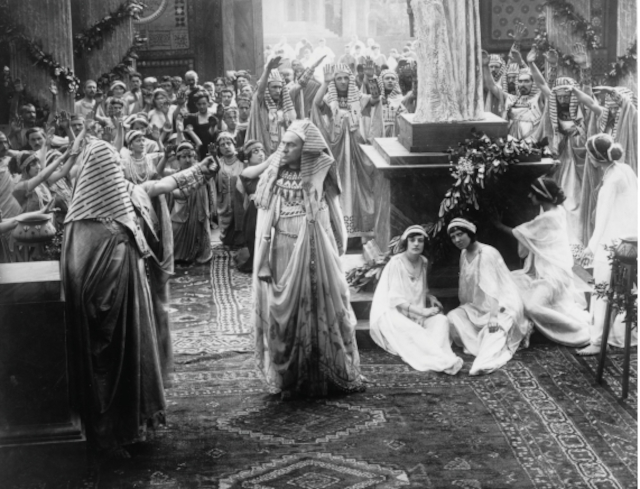
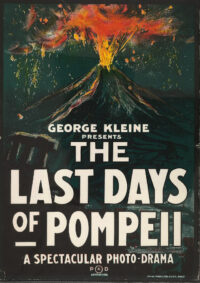
In light of the new documentary “Pompeii: Out of Time” by National Geographic and Disney Plus, let’s revisit one of the original interpretations of the eruption of Mount Vesuvius for film, which is an equally spectacular take on that fateful day. Eleuterio Rodolfi’s 1913 “The Last Days of Pompeii” is set in the ancient city during the day leading up to the eruption in 79 A.D. Based on Edward Bulwer-Lytton’s 1834 novel, it is one of early Italian cinema’s epic achievements.
The film follows a large cast of characters behaving badly as they obsess over wealth, beauty and passion. Actress Fernanda Negri Pouget is stunning in her brilliant portrayal of Nidia, a blind slave who falls in love with Glaucus (Ubaldo Stefani), a wealthy man who rescued her from an abusive master. Her delicate but powerful performance gives this story about Pompeii such a strong human and relatable quality. As the love story slowly emerges, Nidia’s tragic life tugs at the audience’s heartstrings. Her naivete gets her into trouble after she inadvertently ruins Glaucus by trusting one of his adversaries. In the end, she redeems herself with the ultimate act of sacrifice. The storyline and performances are so riveting, it’s easy to forget the impending catastrophe.
 If you’ve ever visited the vast ruins of Pompeii or have seen images of it, this film will bring that long lost world to life. From the populous streets and opulent baths to the luxurious costumes and detailed props, the elaborate, sumptuous sets paint a vivid portrait of a rich, cultured society. If you haven’t seen “Pompeii: Out of Time” yet, I recommend seeing this 1913 film first. It will make the experience of watching the documentary even richer.
Click here to stream “The Last Days of Pompeii” on Amazon. “Pompeii: Out of Time” is available to stream on several platforms, including Disney Plus.